
About us
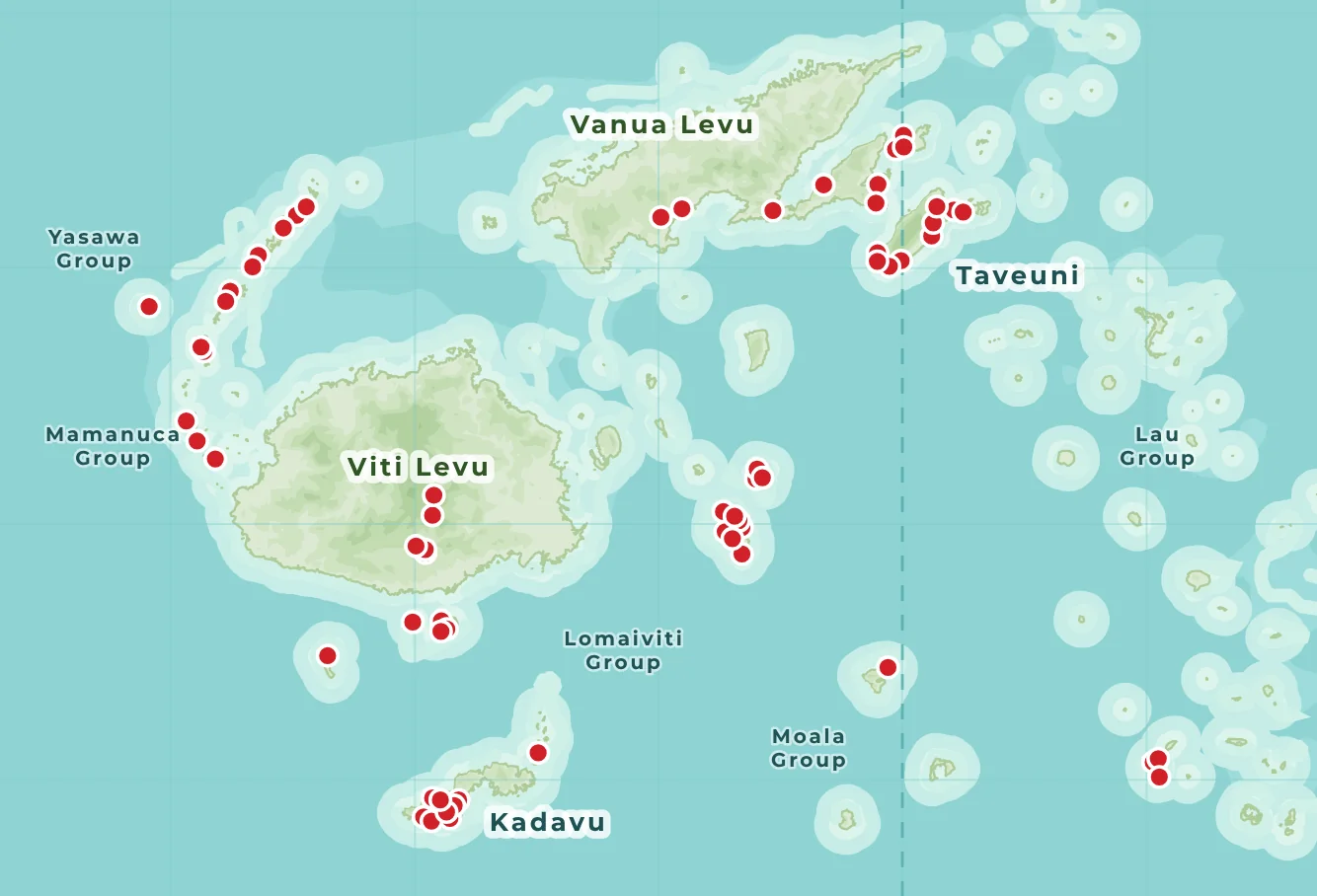
A goal to power 250 schools
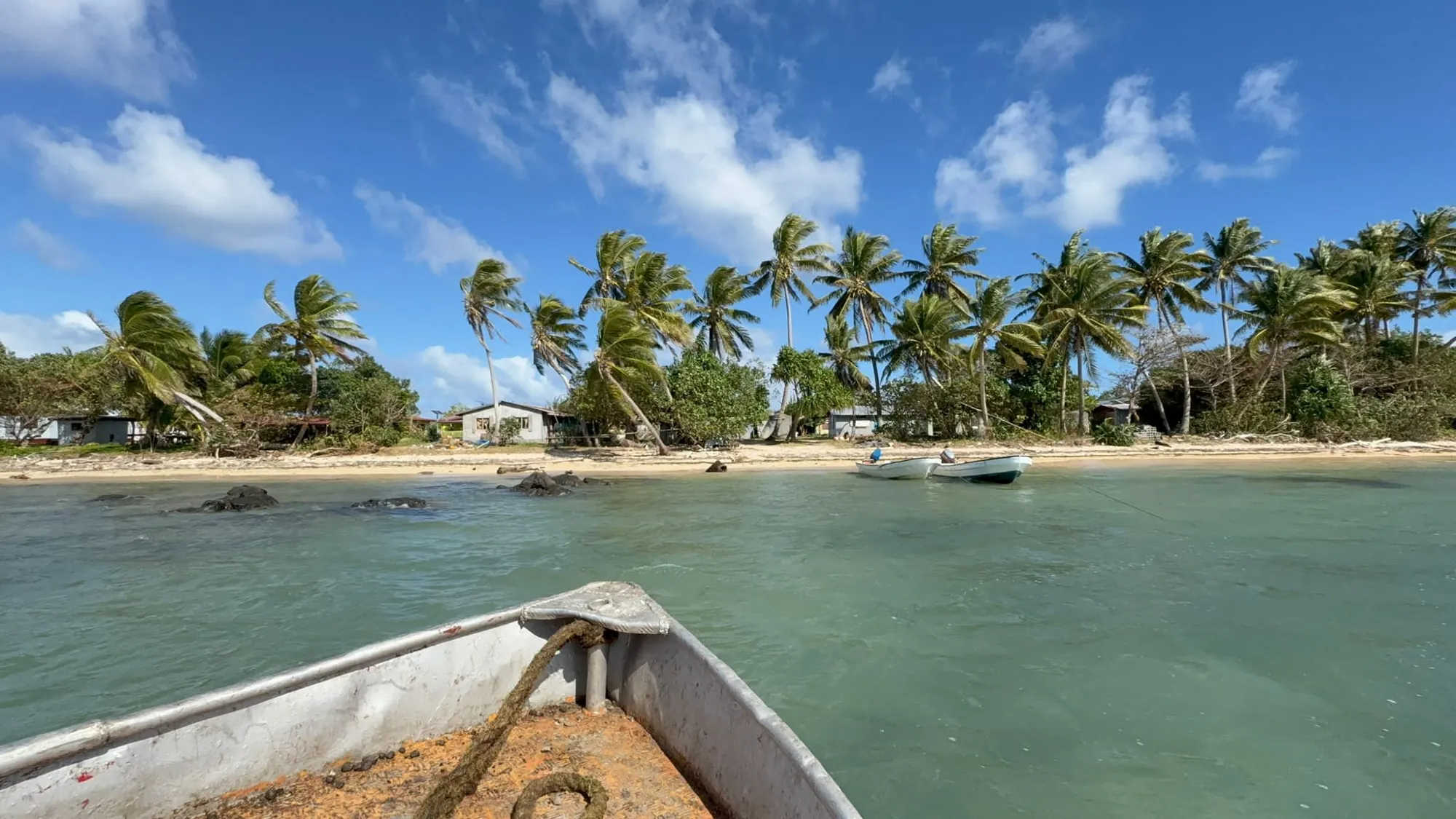
Our mission is 24/7 clean power, and the tools to learn with it, for all of Fiji’s remote schools – built to last, and opening the trades to Pacific women along the way.
Our model
A complete solution
We don’t just hand over a system and leave. Every school goes through the same five steps, from the first plan to decades of care.
 Step 1
Plan
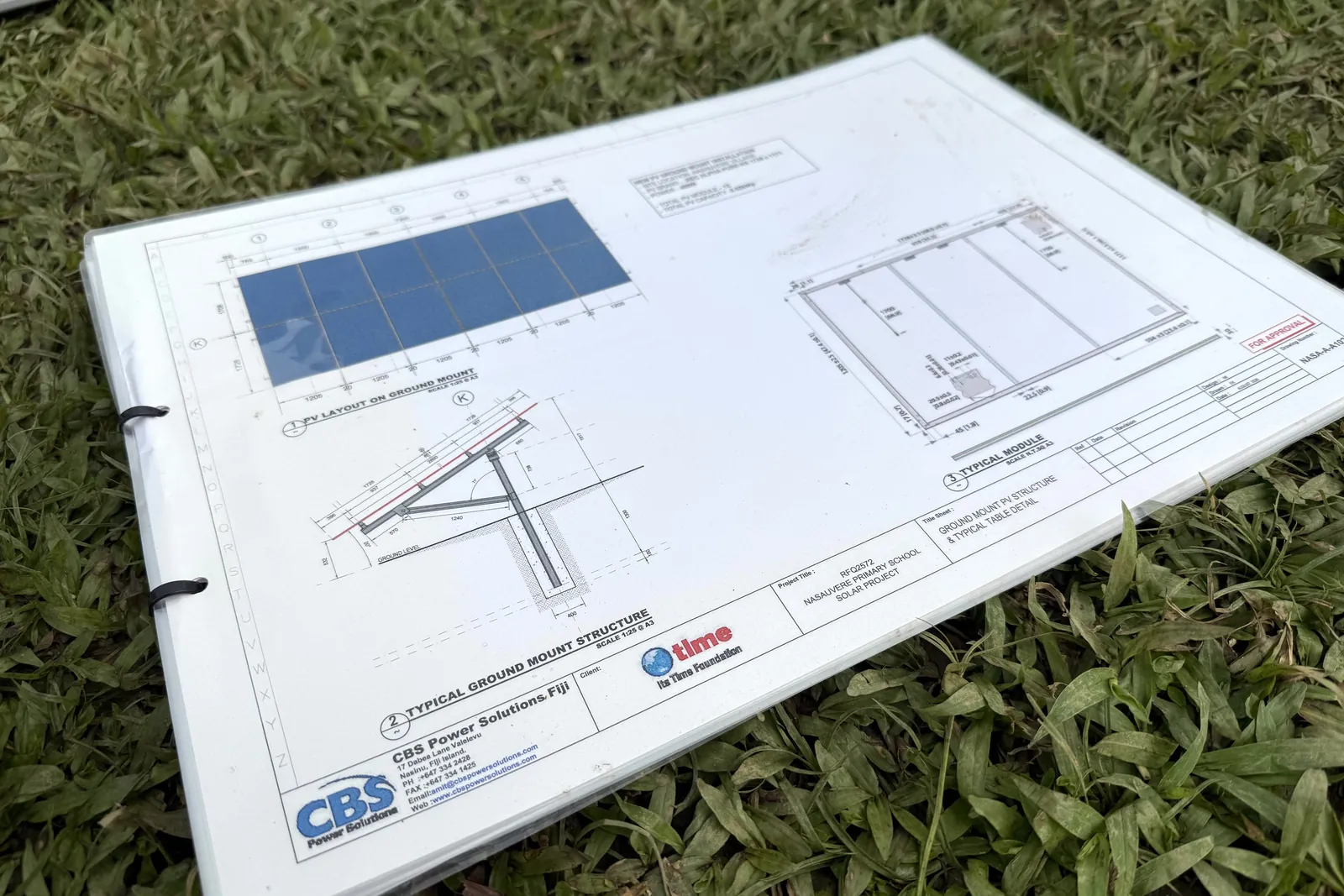
Prospective schools are surveyed and each solar and battery system is sized to the school, from its classrooms to its teachers’ homes and hostels.
Once funding is established, schools are usually selected in geographical clusters for economies of scale - to provide donors the best possible value for money.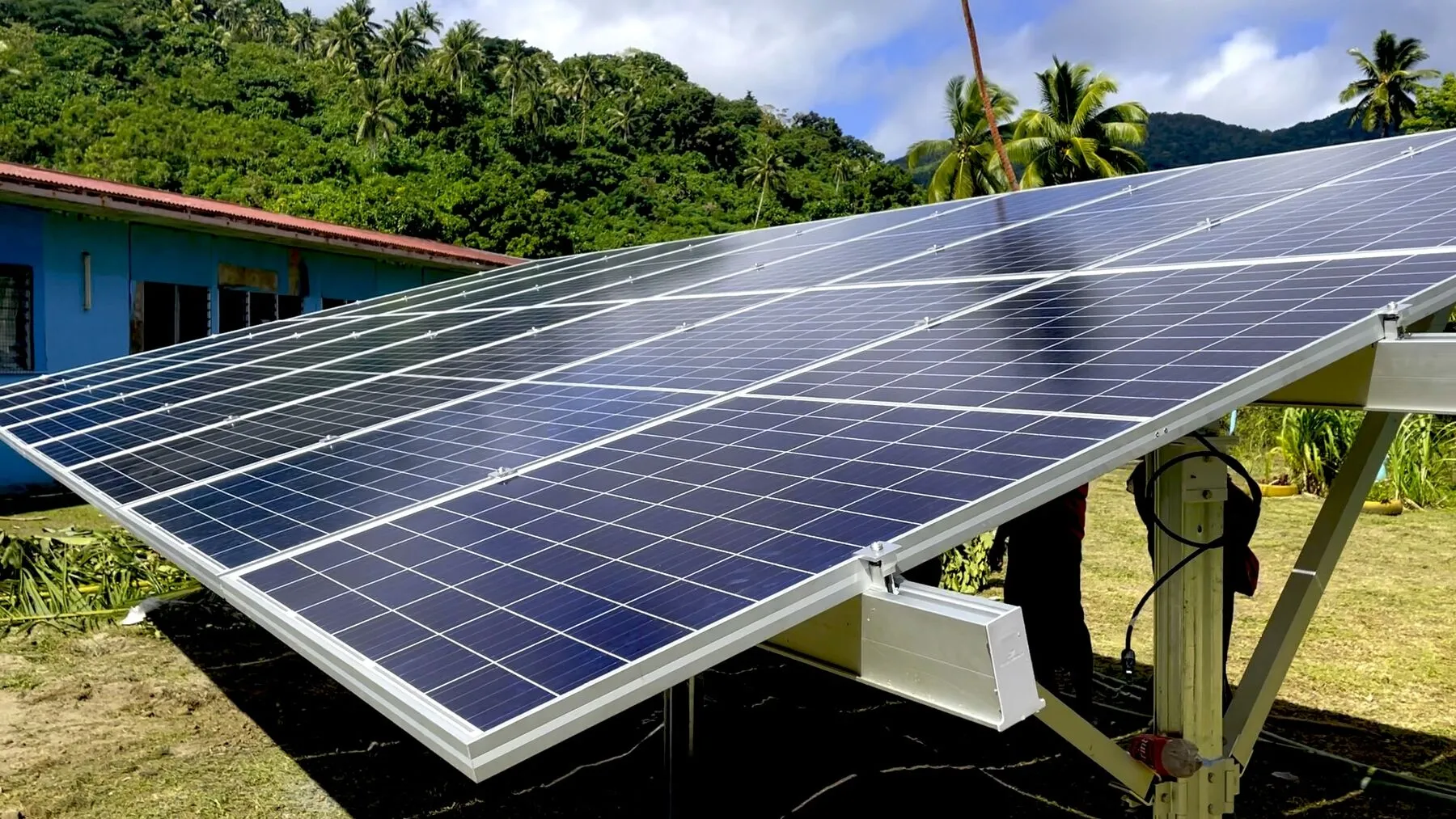 Step 2
Power
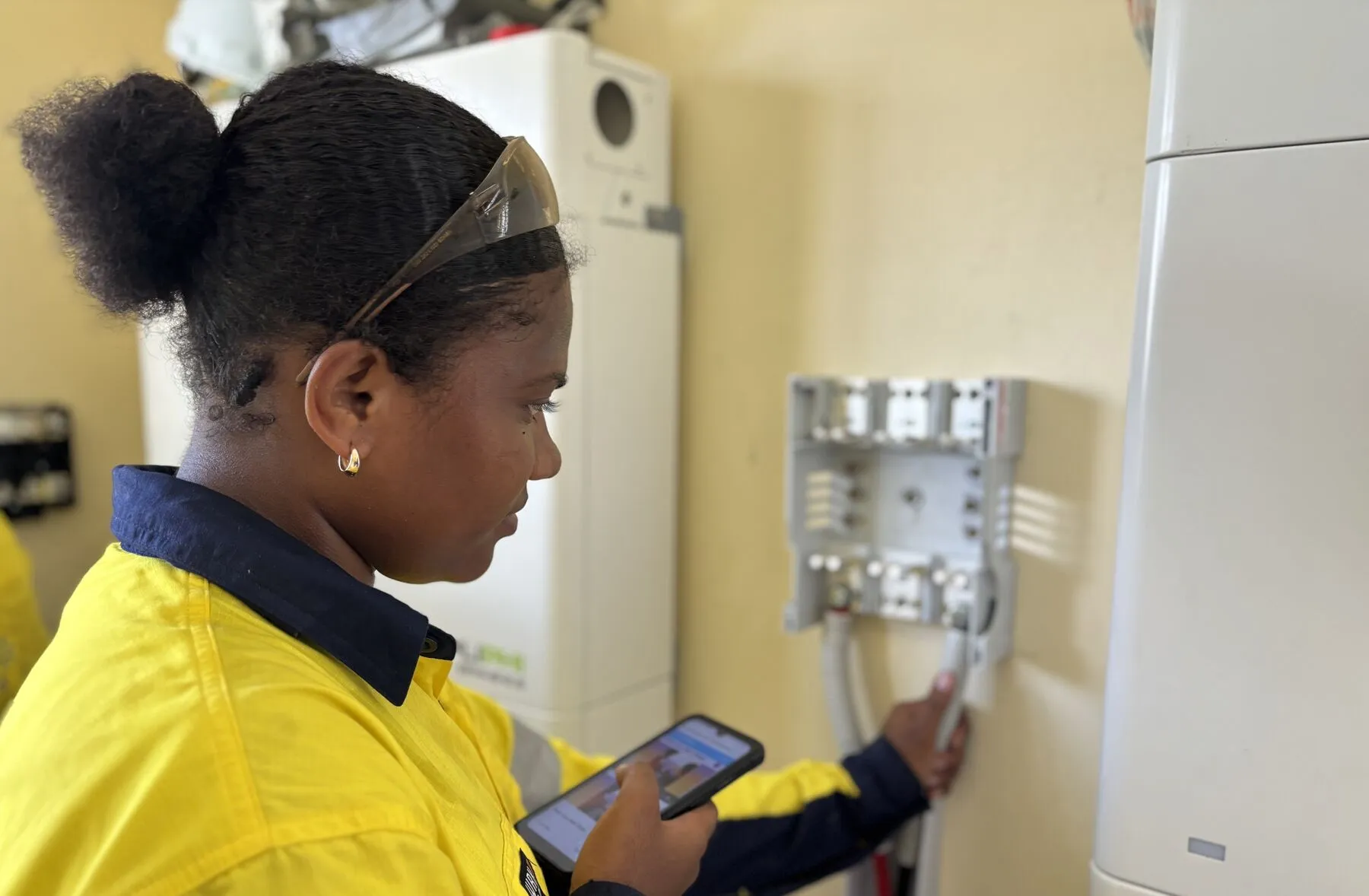
We install premium equipment from some of the world’s best manufacturers, chosen to keep running for decades in remote island conditions. Classrooms, teachers’ homes and hostels are wired to Australian and New Zealand standards, and every job is checked through an online quality-control system before the school is switched on.
 Step 3
Connect
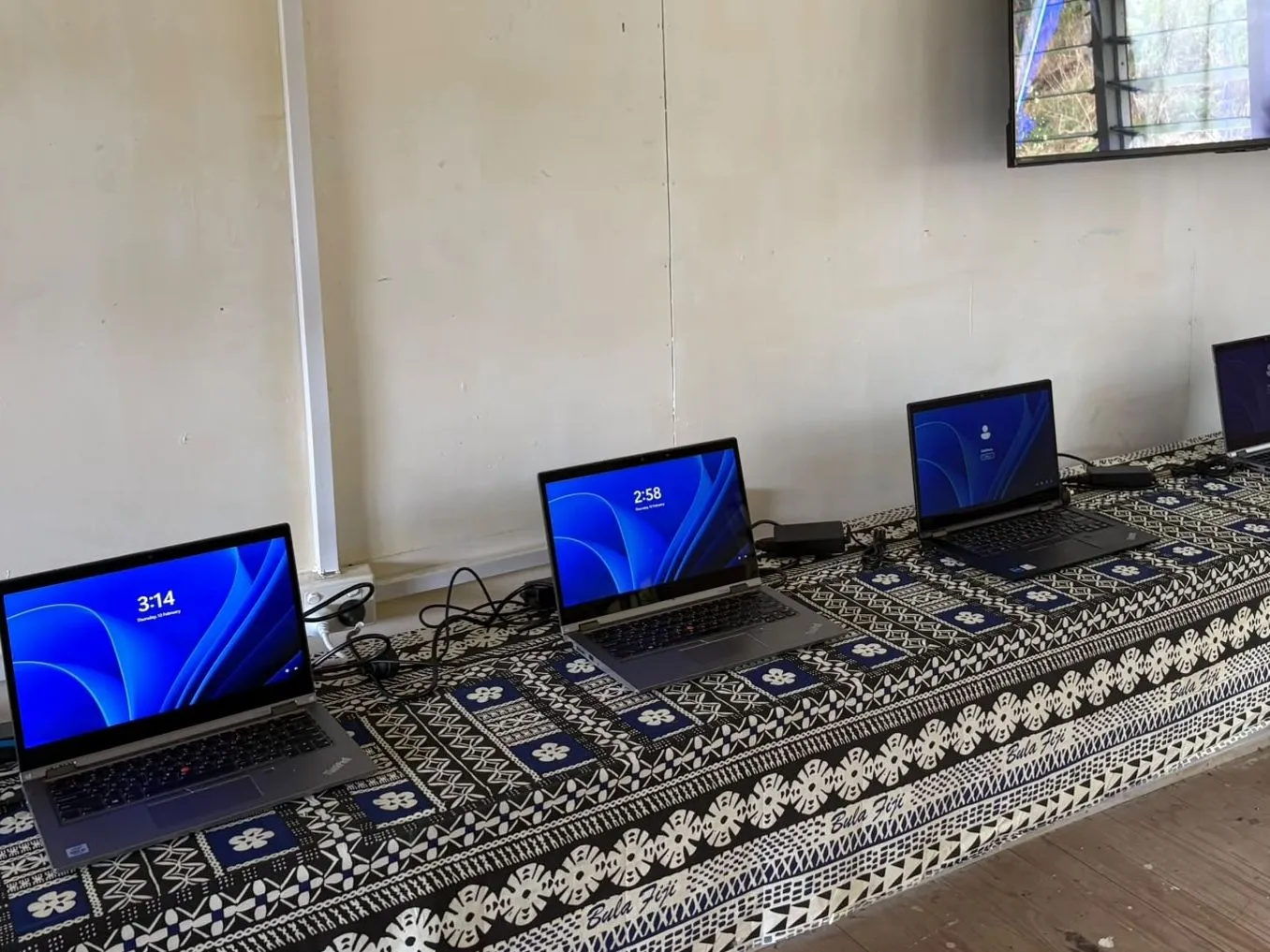
Power is only the start. Starlink internet, a small computer lab with laptops, and Smart TVs go in alongside the system, opening up online learning for students and teachers in some of Fiji’s most remote places. Hostels get freezers too, so boarding schools can store food safely.
 Step 4
Skills
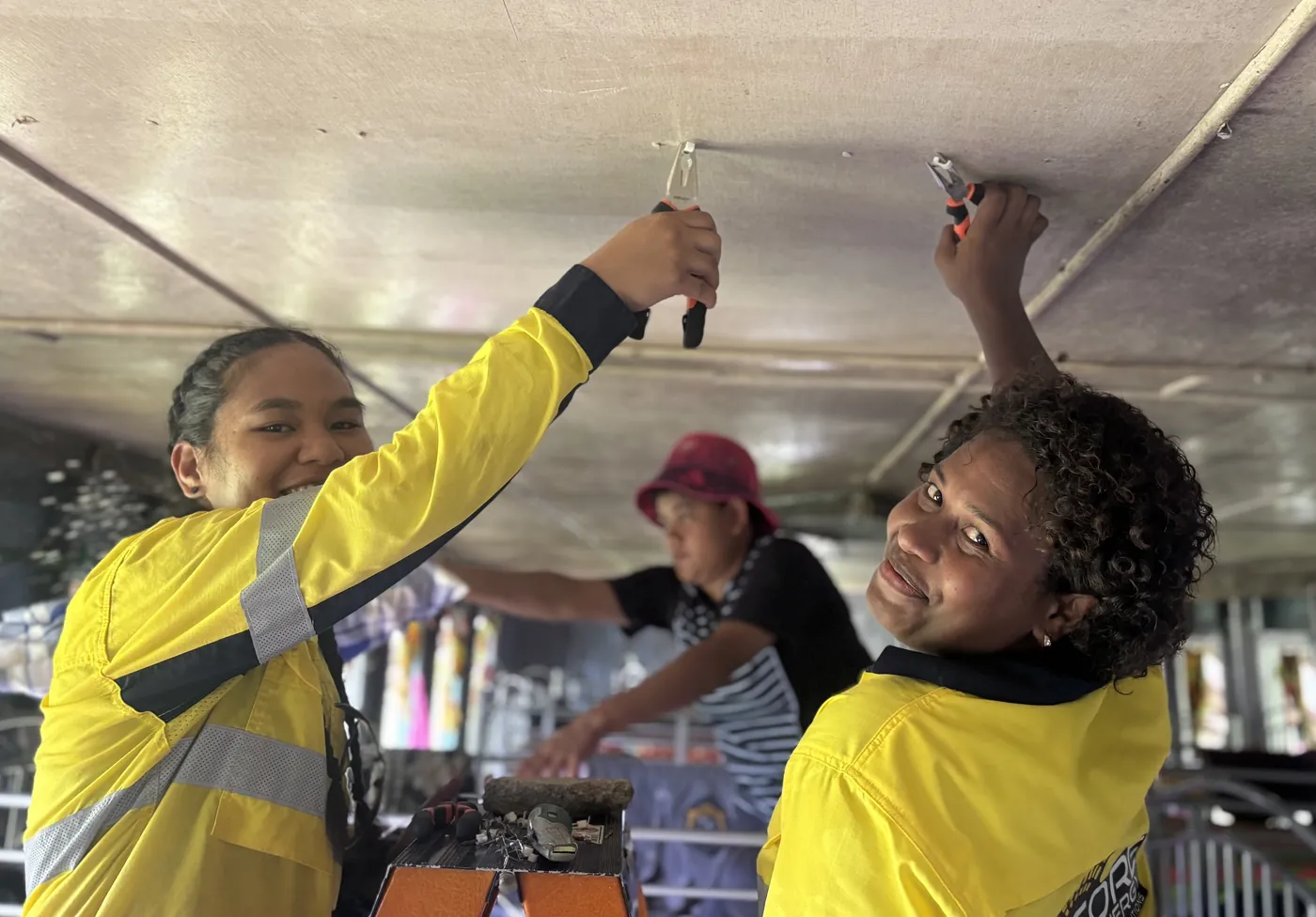
Each install builds local capacity in the solar and electrical trades, so the skills to look after these systems are available locally, ready to help when something needs attention. Our crews include women in the trades, and ITF has a structured strategy to building capacity in the Pacific renewables industry, via women who have long been under-represented.
 Step 5
Care
The school joins The Solar Fund (Fiji), set up to keep every system running for decades. We monitor each system remotely to spot problems early, and a contracted team carries out maintenance and repairs. Schools play their part too, contributing a little to the maintenance fund through fuel savings.
Beyond power
The benefits don’t stop at the school
Money saved buys resources
What a school used to spend on generator fuel becomes decades of cash flow for desperately needed resources.
Less diesel, less carbon
These schools aren’t major emitters, but taking generators offline drastically cuts their footprint – and the communities are proud to be doing their part.
Fifteen minutes for the ocean
Every school we power commits to 15 minutes a week picking up plastics, ocean drift as well as its own – giving young people a real stake in a more sustainable world.
Women in solar
Skills that stay in the islands
Systems built to last decades need skilled people close by. Every install is also a training ground, and we put particular effort into opening Fiji’s solar and electrical trades to women.
Building women’s skills in solar is an ongoing initiative to grow capacity across the region. We encourage female students to see the industry as a career, give women the field experience they rarely get, and connect them with the women already working in it.
Women in solar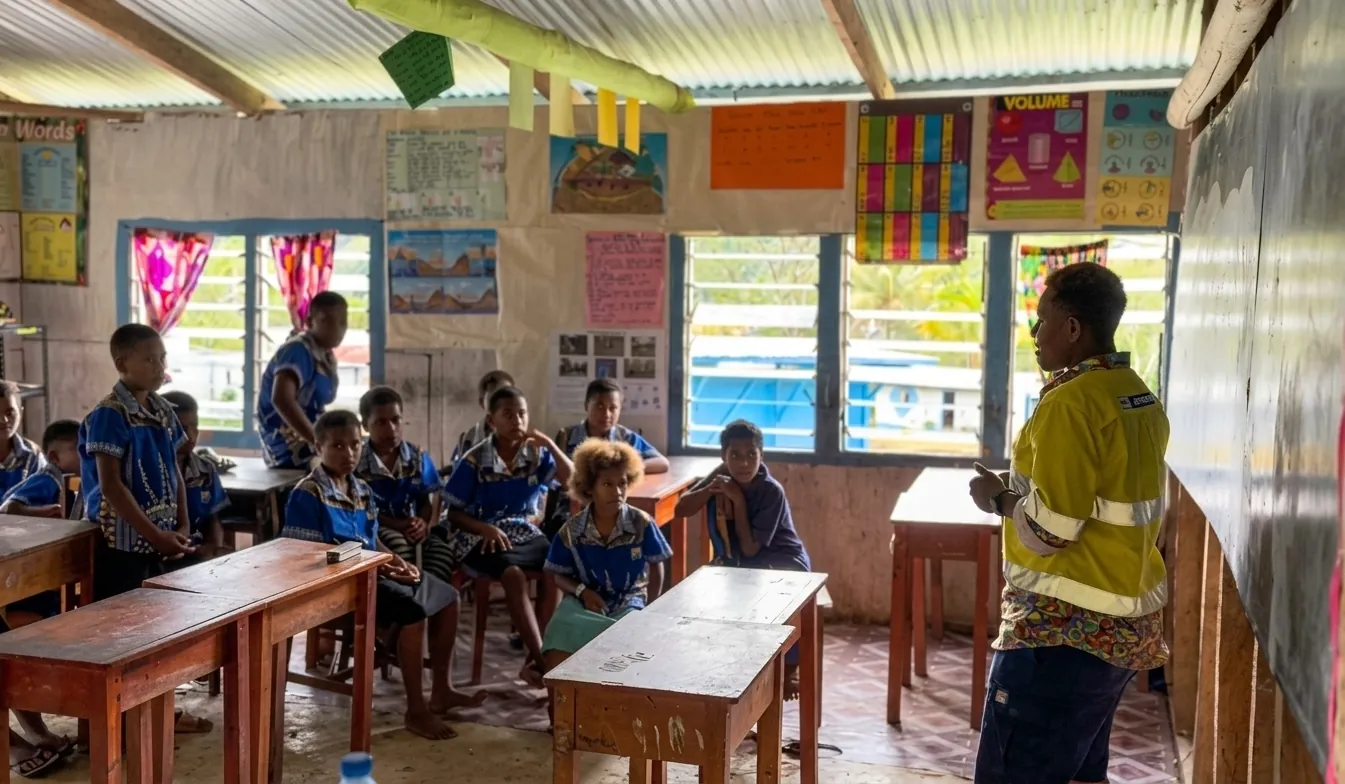
Who we are
An Australian charity, at work in Fiji since 2007
Rob Edwards OAM founded It’s Time Foundation in 2007, after walking into a remote Fijian school where a donated generator thundered outside while the head teacher worked on an old laptop. It seemed a no-brainer: they could be using solar.
Today we’re a registered charity with deductible gift recipient (DGR) status, delivering projects with Fiji’s Ministry of Education and partners across government and industry.